
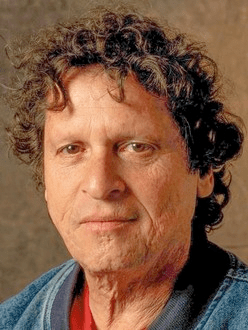
Like so many people, I’ve been digging into the newly dumped Epstein Files, finding a bunch of hidden gems (both good and bad), and trying to comprehend the criminal mind of this elite puppeteer and master networker, Jeffrey Epstein. I’ve also been on x.com seeing what people been posting, as well as trying to discern with a sound mind what’s true and false. For example, I was able to debunk the Wayfair 2020 conspiracy claim of human trafficking that some people believe a receipt in the Epstein files proves. That is false since I found no evidence of human trafficking related to that Wayfair transaction. And that’s saying something since Epstein was a human predator and sex trafficker.
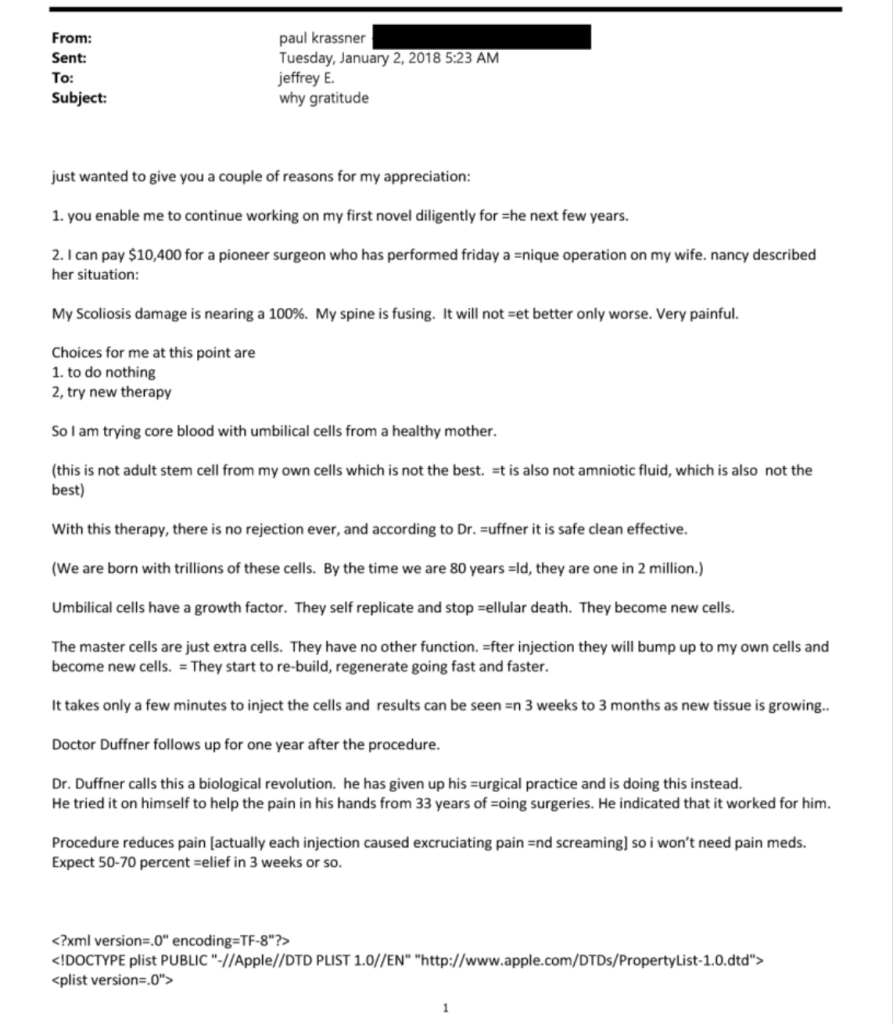
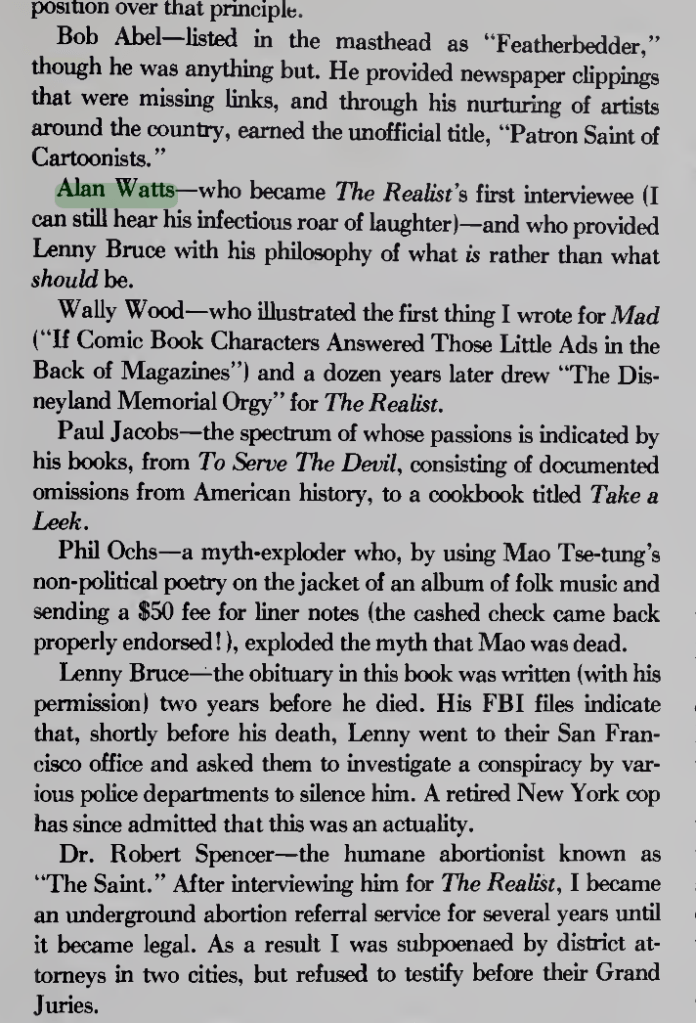
Paul Krassner is a name that appeared in the Epstein Files, with email exchanges dating back to 2017-18. I’m surprised I never heard of him until now, since I had done a decent amount of research on the counter-culture wave of the 1960s. Some reports indicate that Jeffrey Epstein was funding Paul Krassner in his final years. Krassner died in the same year as Epstein, in 2019, at the age of 87.
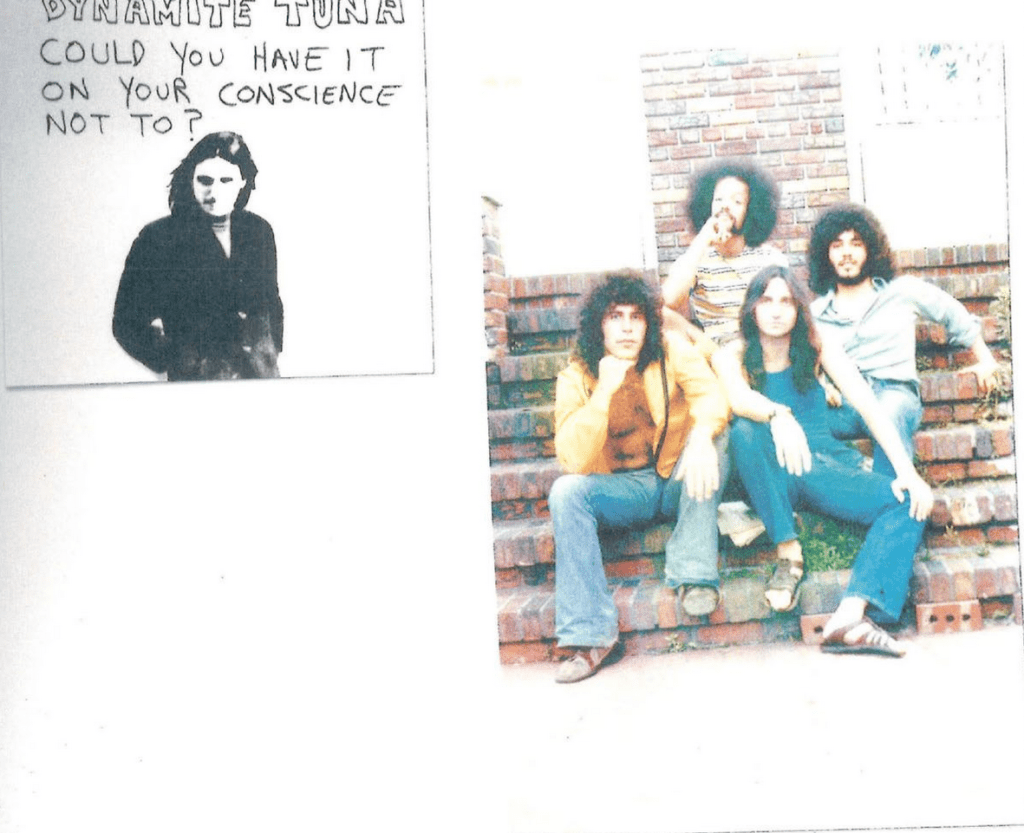
Epstein himself, in his early and mid 20s, looked like a hippie if you look at the personal photo archive that Ghislaine Maxwell uploaded to the internet archives. No doubt he was influenced in some way by these whirlwind cultures that were emerging in the city and across the nation.
Paul Krassner was a key co-founder of the Youth International Party (Yippies) in 1967, along with Abbie Hoffman, Jerry Rubin, Anita Hoffman, and Nancy Kurshan. He is credited with coining the name “Yippie” as a pun on “hippie,” designed for a theatrical, anti-war political group.
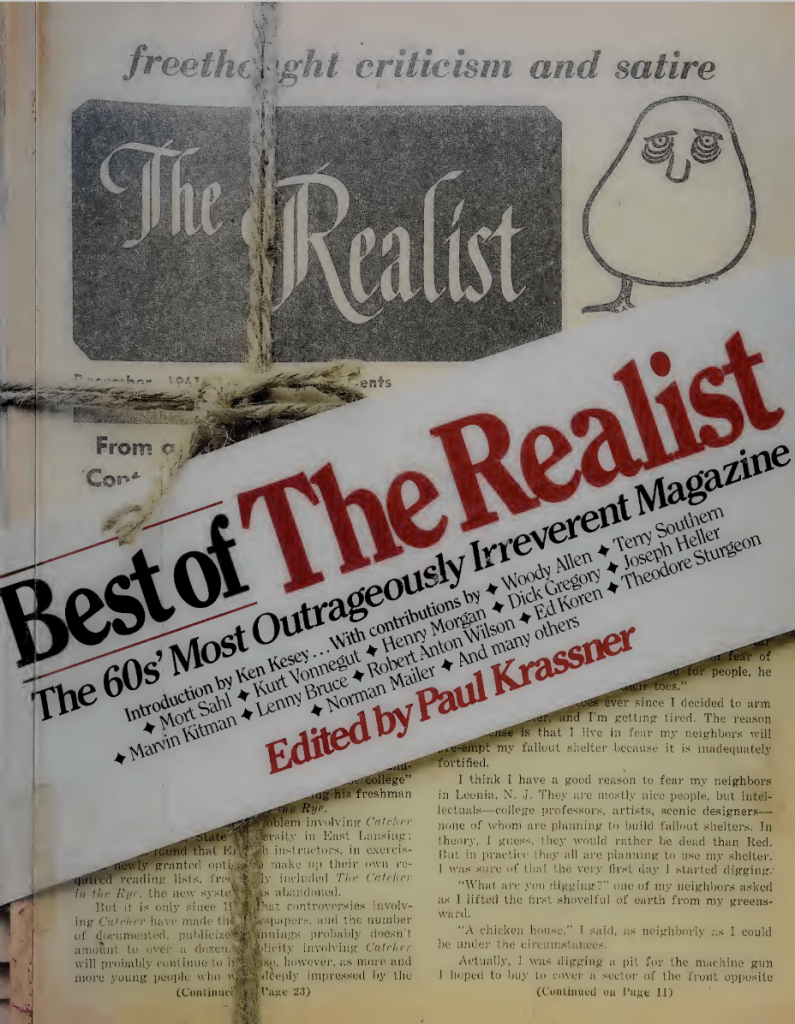
The Yippies were founded on New Year’s Eve 1967 in New York City to protest the 1968 Democratic National Convention. While activists like Abbie Hoffman and Jerry Rubin executed the ideas, Krassner provided the name and ideological, satirical flair, having founded the counterculture magazine The Realist. Krassner’s contribution helped blend anti-war activism with street theater and absurdity, challenging the establishment.
The Yippies are also known for a stunt of throwing money from on top towards the trading floor on Wall Street as a symbolic act because of the level of abstraction money has turned into and the role the financial system plays in funding and fueling wars.
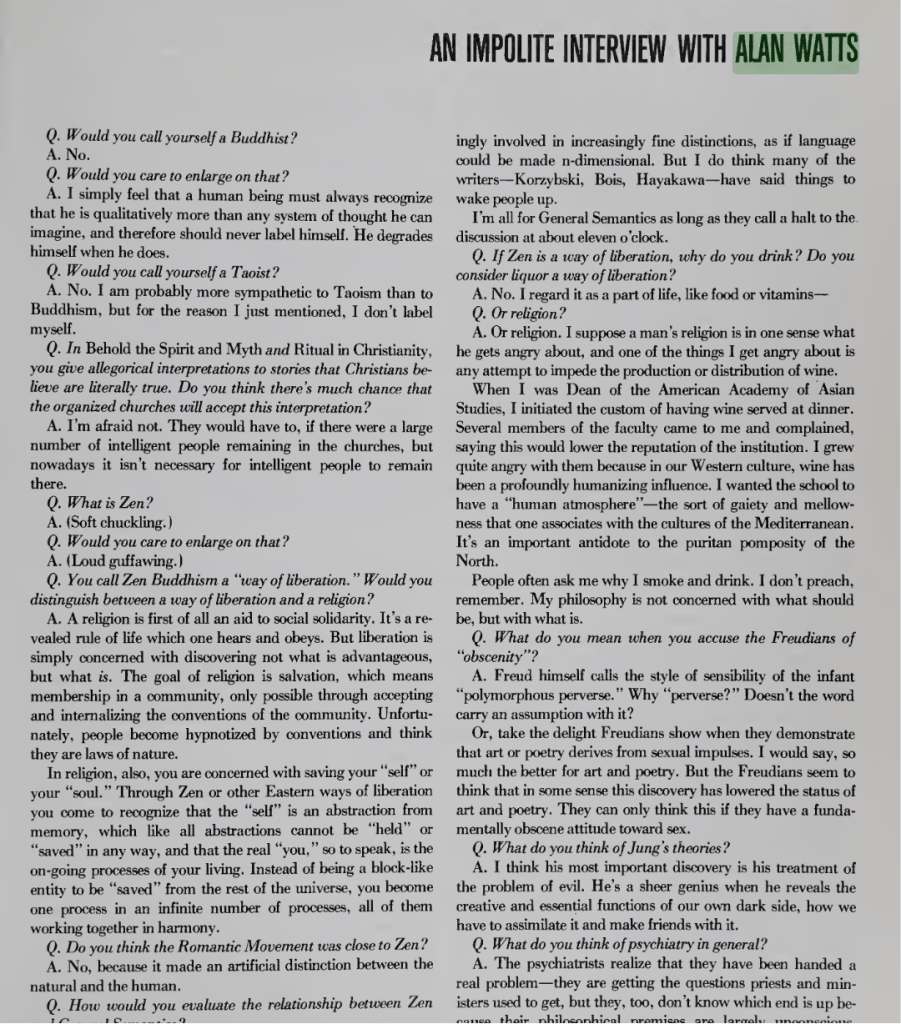
The first guest interviewed for The Realist was the legendary Mystic/Philosopher Alan Watts. No greater person could have had that honor, giving Watts’ influence on the counter-culture scene. He was a voice of reason, wisdom, wit, and a conscience to a society that swung the pendulum too far towards hallucinogenic drugs. As he would say, “When you get the message, hang up the phone.”
🎭 The Counterculture Machine: Paul Krassner and the Satire Ecology (NotebookLM).
Current Research Workflow: Ask ChatGPT to create a deep research prompt on x topic. Insert that deep research prompt into Gemini 3 – Pro or ChatGPT itself. Upload the research report into NotebookLM and voila!
NotebookLM: Paul Krassner acted as a central switchboard operator for the 1960s counterculture, using his magazine The Realist to bridge gaps between satirists, political radicals, and psychedelic advocates. Through his involvement with the Youth International Party (Yippies), Krassner pioneered attention warfare and staged spectacles that leveraged media coverage to challenge state authority. These sources distinguish the politically aggressive Yippies from the spiritual and isolationist Hippies, while detailing how the Underground Press Syndicate created a robust, non-corporate information network. Krassner’s use of literary hoaxes and extreme satire served to test First Amendment boundaries and expose institutional hypocrisy. However, his methods also carried the unintended consequence of fostering long-term truth-decay and public skepticism toward factual journalism. Ultimately, the text evaluates how this era of independent media permanently altered American law, journalism, and the modern landscape of political protest.
 Social Scholarly