
Update (Prefix):
I want to acknowledge that I didn’t fully address the supply-side factors in the housing crisis, which could alleviate much of the high cost-of-living burden. Also, I overlooked the impact of the ‘Not In My Backyard’ (NIMBY) mindset, which often hampers new construction.
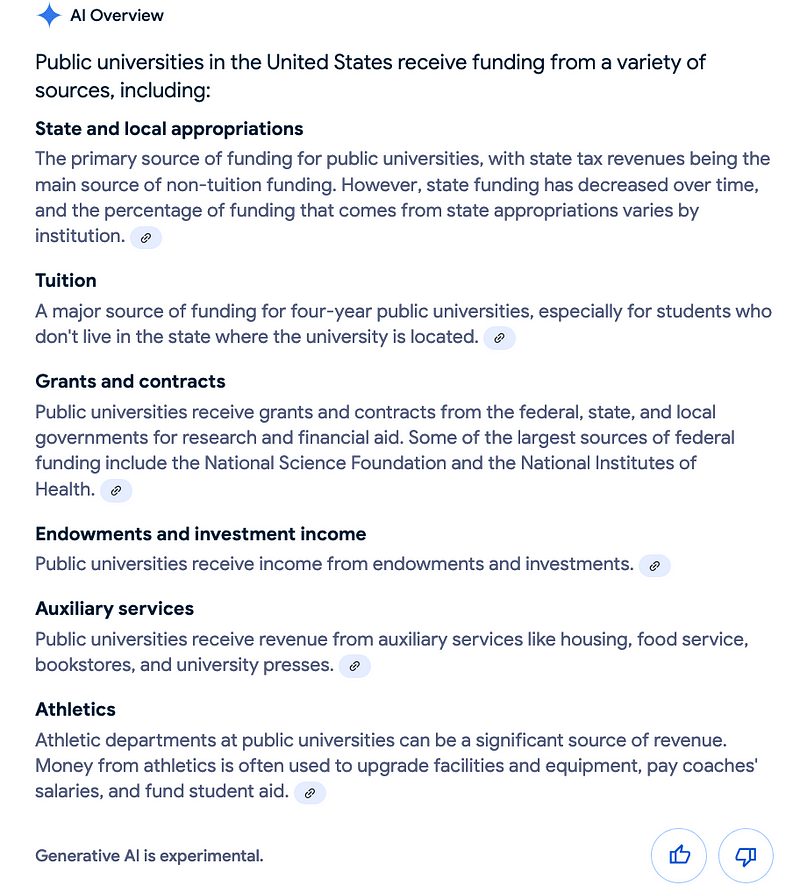
I want to clarify that the tenure system alone isn’t solely to blame for the university’s challenges. Many issues stem from the financial constraints public universities face and the perceived cultural relevance (tethered to the shifting job market) of specific majors and departments. Public universities are highly dependent on enrollments for revenue and state money (allocations are based on student enrollment numbers) therefore they face budget constraints from federal and state funding.
Note: According to researchers at Truth in Accounting, 27 U.S. states lack the necessary cash on hand to pay their bills, The debts largely relate to the public pension system, which provides lifetime benefits to state and local government employees. In other words, it all boils down to the state of the economy & money!
Less well-known and smaller universities are first hit and suffer the most from budget cuts. I’ve come to realize this conundrum thanks to a Medium article, and that even tenured professors risk losing their job positions if their field is considered less relevant or irrelevant compared to others. This is something I’ve been concerned about for a long time, as certain majors, like Philosophy, face a decline in enrollment and perceived value, putting them at risk of disappearing — at least in the meantime and/or when the economy recovers, especially in lesser-known public universities with a tighter budget.
The Law of Unintended Consequences: When we make generous promises that are difficult or unsure to meet like guaranteed pensions for government workers; when we culturally push students into STEM fields; when we subsidize higher education for some and it becomes out of reach for the many; when we place more value on the Ivy League schools and do not consider that all educational institutions are equally valuable when run effectively for the service they provide to their communities and society as a whole.
Since Ivy League universities are private schools with substantial endowments, diverse funding sources, and reduced reliance on state funding, they are generally more insulated from the financial struggles of federal and state governments. This makes them less vulnerable to budget constraints and economic hardships compared to public universities, though they may still face challenges in areas like federal research funding or market-driven endowment fluctuations.
For example, Harvard’s endowment is over $50 billion (as of 2023–24), providing a significant financial cushion. This reduces their dependence on direct state funding, which public universities often rely on. Neither does it help when mega-donors and alumni consider suspending donations to these campuses due to political disagreement.
The University of California, Los Angeles (UCLA) professor who recently went viral on TikTok is Dr. Daniel McKeown, a lecturer in astrophysics. McKeown revealed that despite being paid around $70,000 annually, he is homeless due to the high cost of living in Los Angeles such as his $2,500 a month in rent. McKeown criticized the university for not paying him enough to cover basic living expenses. The video sparked widespread attention, with many expressing shock at his situation. Some comments and reactions were mixed, some were on his side and included people expressing no sympathy for his situation.
This is not the usual story of an adjunct professor facing struggles as in previous accounts. Dr. McKeown made it clear in his follow-up videos that he was a full-time lecturer at UCLA. Of course, I would like to know UCLA’s side of the story.
I first learned about adjunct positions a few years ago during my undergraduate studies, where I gained a basic understanding of the relationship between professors and their institutions. Many of my favorite professors were adjuncts themselves. My older sister is currently a part-time PhD student and a faculty member working at a well-known university in New York City, giving me some insights into academia and more credibility to my views. However, I recognize that my knowledge of the subject is still somewhat limited, so I was required to research and dig into multifaceted sources like YouTube videos, independent bloggers, various websites, online articles, podcasts, and ChatGPT since I felt compelled to chime in.
It may be difficult for many people to feel sympathy for someone who, at a glance, resembles the infamous Charles Manson (unless you’re into that sort of thing), if I were to judge Dr. McKeown purely on appearance and with a critical eye. This is compounded by the common expectation that a man should be capable of handling his own problems, just as he’s expected to provide for his family. I must note, that the comments under his original TikTok video were much more sympathetic than other social media sites. Despite McKeown’s physical resemblance to a cult leader, he nonetheless brought greater awareness through TikTok to the challenges educators and other workers face in today’s society.
Despite recent rate cuts, interest rates remain high, and American households have a hefty $17.796 trillion in debt, an average of $104,215 per household. Meanwhile, the national debt has surged to a staggering $35 trillion. Given these financial pressures, it’s no surprise that many Americans, like McKeown, are feeling the financial strain.
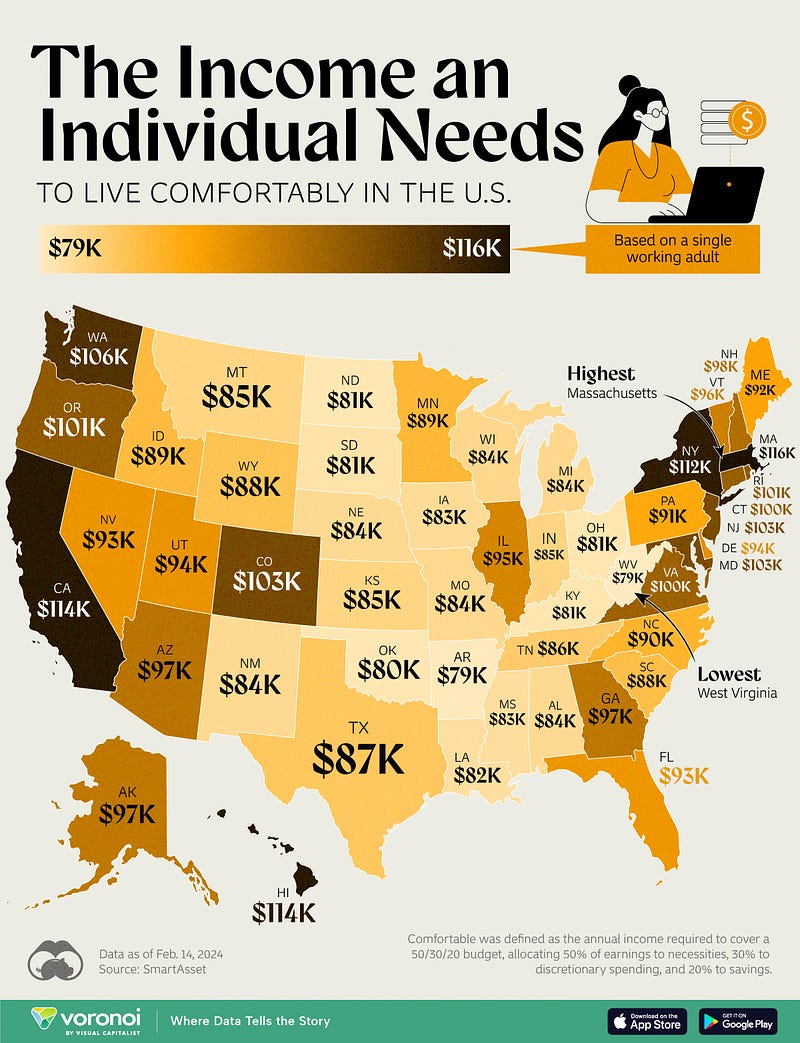
According to Visual Capitalist, you need to make roughly $114k to live comfortably in California. On top of that, Massachusetts, known for its distinguished universities like Harvard University and Massachusetts Institute of Technology (MIT), has the highest cost of living in the country (currently fluctuating #1 or #2 at $116k), with areas like Boston facing a significant exodus. Those living in Massachusetts, especially younger adults (ages 26–34) and their middle class are leaving for several reasons, but the main reason is that they can no longer afford to live there, and even long-time residents are being priced out of their homes.
One website stated that in Westwood, California (the area McKeown was staying), you need “$2,900 / month for a single person, 39.2% less expensive than the national average. To live comfortably in Westwood, California, a minimum annual income of $82,440 for a family, and $34,800 for a single person is recommended.”
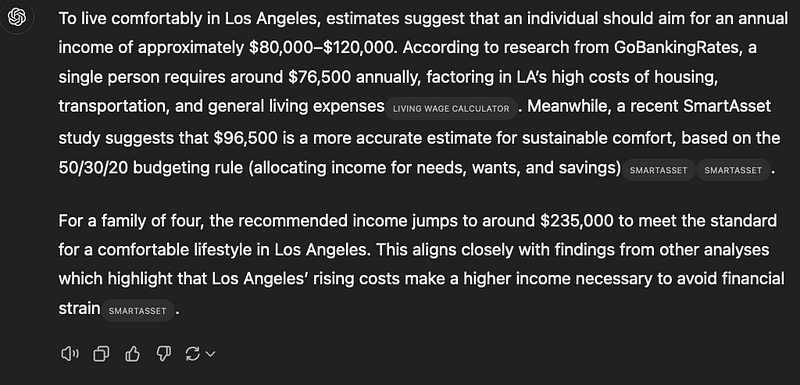
This estimate from this single website seems off and most likely to be wrong suggesting a single person can live there for far less and make about $35k annually, which would disprove McKeown’s plight. Other sources seem more accurate, saying roughly $80k — $120k is ideal for an individual living in LA.
Dr. McKeown’s story is compelling because he embodies someone deeply passionate about his field of physics, clearly knowledgeable, and at the same time enjoys teaching, yet struggles to survive in an expensive city like Los Angeles. He was placed on administrative leave for moving his classes online, a decision he made based on his personal circumstances.
He claimed that his superior was making an example out of him for speaking out and getting out of line. He expressed that last year he was not homeless when he was getting paid around $50k and wasn’t struggling financially because his expenses weren’t as high, such as the cost of his rent. When he took a new job with a higher salary of $70k, and his rent increased, he quickly realized that his income wasn’t enough to cover his bills and financial obligations. This awareness came after starting the new job position, leaving him to grapple with the reality that his income wouldn’t meet the rising costs of living.
Dr. McKeown’s dedication to teaching is admirable with a 4.7/5 on RateMyProfessor (if that means anything), whose contributions are vital and perhaps underappreciated in society. I think it’s easy to sympathize with his grievances, as many in similar positions would feel the same if their income couldn’t keep up with the rising cost of living. While his frustration with his superiors and the system is understandable, it may cloud his ability to explore solutions that benefit all parties involved.
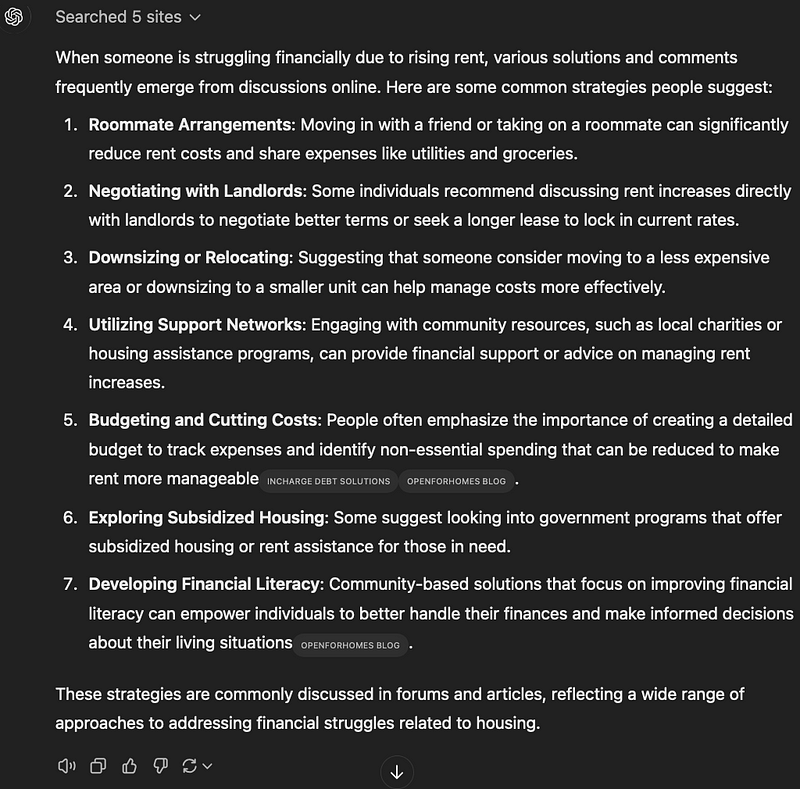
Someone may say, “So what? Who cares?” and why is this guy complaining on the internet and trying to get sympathy from others? Some common solutions people have commented on to him were to move in with a roommate, move elsewhere, negotiate with his landlord, or renegotiate with his supervisor. Some people’s initial reaction to McKeown’s story will be dismissive and not realize that it may or could happen to them, hence why it should matter to us.
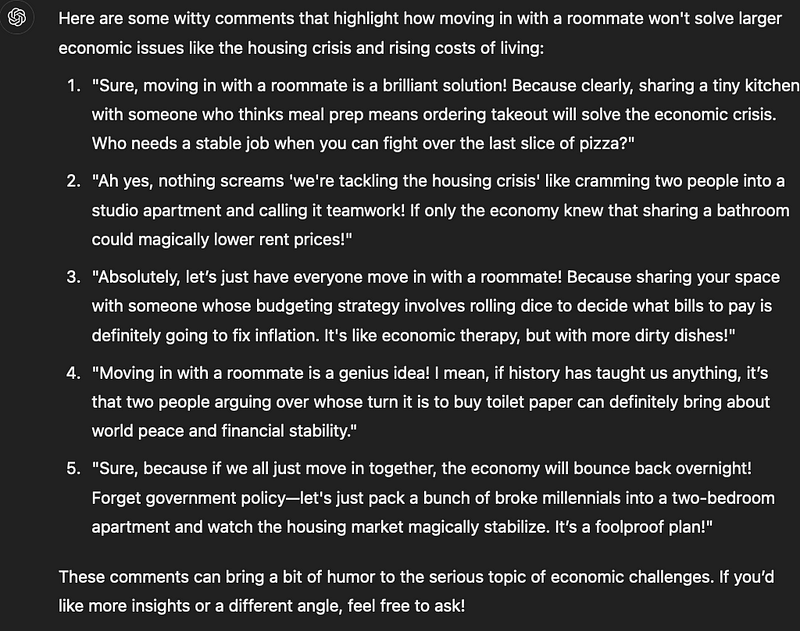
While some of the solutions people have come up with for the homeless UCLA professor are commendable and viable, which should be seriously considered, not all of them readily apply to someone’s living arrangement. Still, I have an issue with someone suggesting McKeown or anyone else move in with someone to solve this issue.
Sure, at first McKeown’s financial obligations such as his student loans, car insurance, groceries, and rent, will be more affordable and somewhat solved immediately and in the short-term. Even so, this short-term solution doesn’t address the bigger issue: if his rent and the overall cost of living in LA and the US continue to soar; the problem will persist.
Do you really think a landlord like Dave Ramsey won’t continue raising the rent of his tenants to keep up with the market rate? No amount of financial literacy, like how well you are budgeting, or how many roommates millennials can fit in an apartment will save us from this economic conundrum. No, no, no, no!
There’s a big difference between the impact of individual financial literacy — personal responsibility versus fiscal/monetary policy — government’s responsibility. You can guess which one matters more, affects a wide range of the population, and holds more weight.
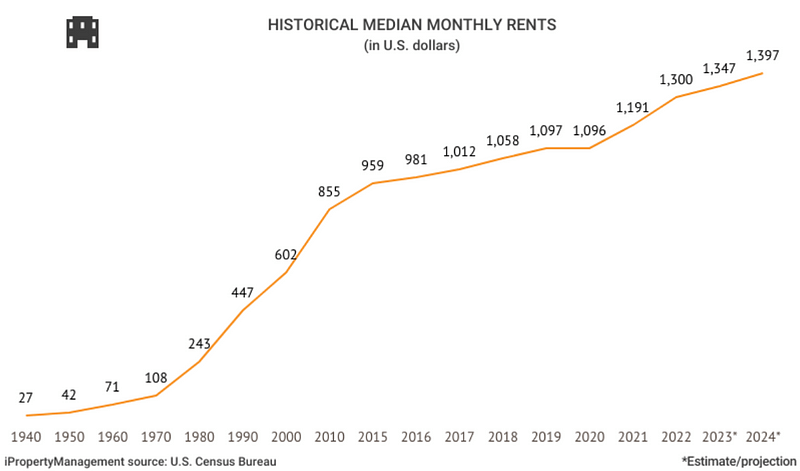
It is important to recognize that the cost of rent has historically risen year over year, and the trend does not appear to stop anytime soon. So are you really suggesting that those struggling to pay their rent should just keep inviting more and more people to squeeze into their already cramped living spaces, all while rent prices keep climbing?
How many people facing homelessness are you willing to take into your home without conducting thorough vetting? To those suggesting roommates as the solution, why not open your own homes to people experiencing homelessness — no background checks, no prerequisites, no biases about gender, financial history, or personal history? How many of you are truly willing to step up and do that? Hmm, I wonder.
To poke fun at the critics, how about implementing an Adopt a Homeless from Skid-Row program for those who suggested roommates for Dr. McKeown? Sharing spaces with the homeless for currently housed residents was a suggestion that even NYC government officials promoted — whether offering up a room or using their backyard — as one potential solution to address the housing crisis and tackle homelessness; or, consider last year’s radical suggestion — Mayor Eric Adam’s idea of paying New Yorkers to host asylum-seekers at home to deal with the migrant crisis.
McKeown has done some of the things suggested in his comments before he took out his frustration on TikTok to let the world know of his situation. Fortunately, he is living with someone elsewhere, but not in an ideal situation to provide the best quality for his students and to make his job easier to provide educational services. He is home-less because rising costs and unsubstantial income have forced him out of his home. Why is that so hard for some folks to comprehend?
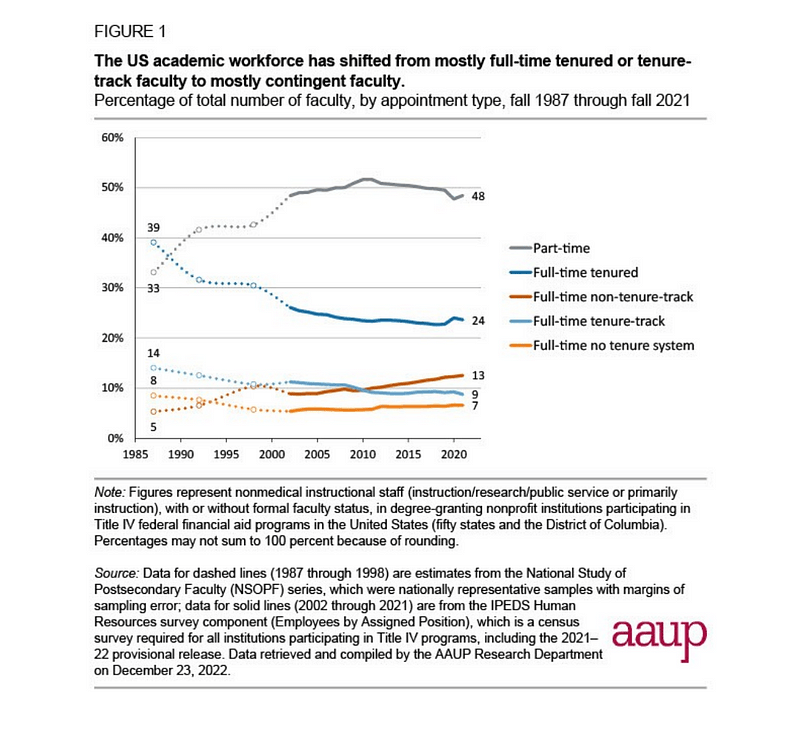
McKeown’s situation mirrors the broader issues plaguing academia today and society as a whole, such as adjunct professors who are poorly paid, overworked, and deprived of benefits — represent the growing trend of what is being labeled as “adjunctification.” This refers to universities replacing tenured positions with low-paying, insecure, part-time jobs. Adjunctification is a similar trend that’s part of a wider economic problem seen across many industries where wages haven’t kept pace with rising living costs, where jobs are increasingly being part-timed, outsourced, and automated; people taking on multiple jobs, and “side hustles” and the gig economy are becoming the new norm. Here are some important excerpts from bestcolleges.com:
- An adjunct professor works for a college or university on a contract basis. Almost all of these professionals hold a graduate degree in their field, with many holding doctorates.
- Originally, adjunct professors were part-time faculty members who brought expertise from their professions to the classroom. Today, two-thirds of adjunct professors earn their living exclusively from contract college-level instruction. According to a 2018 report, around 25% of adjunct professors hold jobs outside academia, while 10% are retired tenured professors.
- Half of all adjunct professors say they would prefer a tenure-track position. Adjunct professor jobs generally pay lower salaries than tenured positions. In a 2020 survey, more than half of adjunct professors reported receiving less than $3,500 per course.
- Job security is another issue. Over 70% of adjunct professors work on a per-semester contract. If their institution decides not to renew the contract, adjunct professors can easily find themselves out of work at the end of the term.
source: https://www.bestcolleges.com/blog/adjunct-vs-tenured-professor/
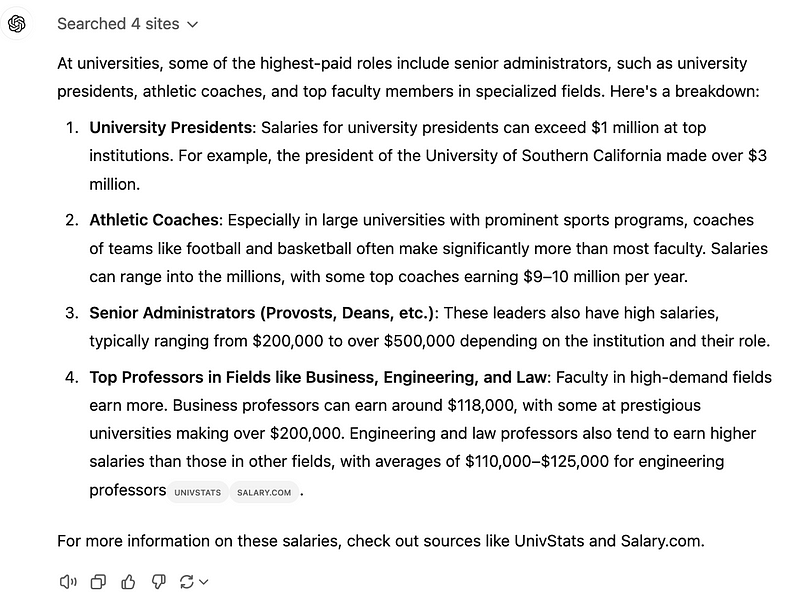
Dr. McKeown is calling for fairer wages in academia, suggesting significant pay cuts for administrators and sports coaches and even proposing a salary cap where no one at the university would earn more than $300,000 per year and no less than $100,000 per year. It seems like a reasonable proposal, given that a minimum salary of $100,000 a year would come close to the income needed to live comfortably in Los Angeles. This amount would help cover essential expenses like housing, transportation, and other necessities in an area where the cost of living is notoriously high. A salary floor of this nature could offer greater financial stability to workers in high-cost regions, ensuring that they aren’t perpetually struggling to make ends meet.
This concept of unfairness can be found with animals. There are fairness experiments that were done with monkeys that explore the roots of morality by examining social behaviors in animals. When two monkeys were rewarded unequally for the same task, the one getting the short end of the stick threw a tantrum, proving that even animals have a strong sense of fairness, and they’re not afraid to show it!
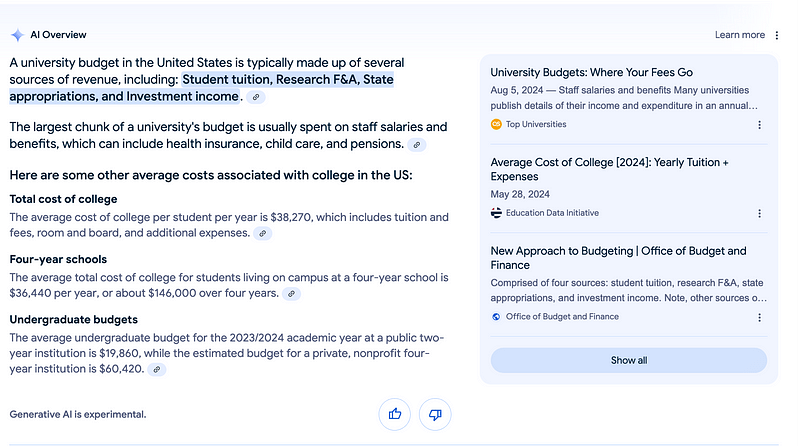
You would think that amongst the financial priorities at universities, spending priority would be for non-tenured and tenured educators to give the best quality to their students. A university’s budget is largely allocated to various staff members, including highly paid administrators, covering benefits like health insurance, child care, and pensions (must be nice). These benefits are seldom guaranteed to part-time workers at big companies, much less freelance adjunct professors.
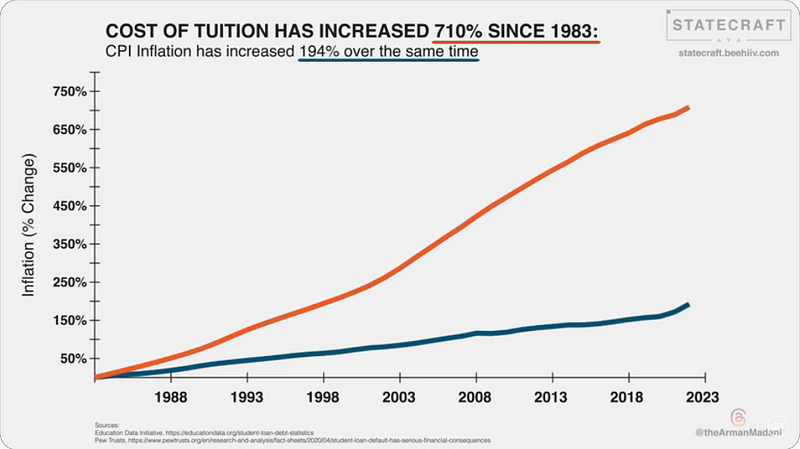
The high cost of healthcare and child care in the US does not excuse increasing tuition fees. School tuition alone has significantly outpaced inflation when properly adjusted — a systemic malaise that no one seems to figure out how to solve. This directly connects to the student loan debt crisis we are currently facing, a profound issue that burdens millions of borrowers and future students, thus threatening the economic stability of our society.

I’d be cautious with setting a maximum and a minimum salary cap as McKeown suggested, as any form of control done in the social world, let alone the natural world, without proper insight and expertise, can do serious harm. To judge policy from their results rather than its intention is a virtue. For example, control in areas such as rent and wages, as was done with oil price control in the 1970s, would cause more misery and hardship for society down the road. Therefore, I would advocate for greater flexibility in social and economic controls, particularly in economic structures that require adaptability. This would allow for more responsive and nuanced solutions to changing economic conditions.
While some blame corporate influences for corrupting higher education and point the finger at high-paid individuals (pocket-watching), the crisis isn’t isolated to universities. Meaning, it can’t be a corporate model or profit motive alone to blame for the issues afflicting academia.
In my view, it reflects a broader systemic issue, the elephants in the room: the widening economic disparity and the higher cost of living. In other words, this illustrates a failure of government. However, massive wealth inequality is a symptom of a broken society and not a disease. Therefore, finding the root cause to reduce this gap is ideal to the extent one can mitigate it knowing that we can never fully have an equally wealth-distributed society since it is incompatible with meritocracy.
Furthermore, to some extent, the government reflects the values and attitudes of its citizens. Isn’t it self-evident that every nation gets the government it deserves? I advise in-depth studies conducted by intelligent and independent social scientists who are outside academia but can collaborate and have full access to academia and high government entities to address the root causes of these financial realities, as they impact not just one industry but the foundation of how we value and compensate work in modern society.
From the outside looking in, yes, it appears there is greed amongst the higher-ups in academia, and you can certainly make that argument when they are making 10 times more than the lowest-paid adjunct. Except the problem is far more complex than simply stating it is greed.
As one article cited someone intimately familiar with the adjunct phenomena, Herb Childress argues that higher education’s growing dependence on adjunct professors isn’t just about administrators being greedy or faculty not caring. The situation is more complicated and reflects broader changes in the economy.
Business professor David Wells describes this as the “fissured workplace,” where companies rely more on temporary workers, outsourcing, and partnerships to cut costs, increase flexibility, and have more control over the workforce. This trend affects many industries, not just higher education, and it results in less stable jobs. These observations made by Childress and Wells are aligned with my own as someone not knee-deep in academia, but like to keep up and understand social trends.
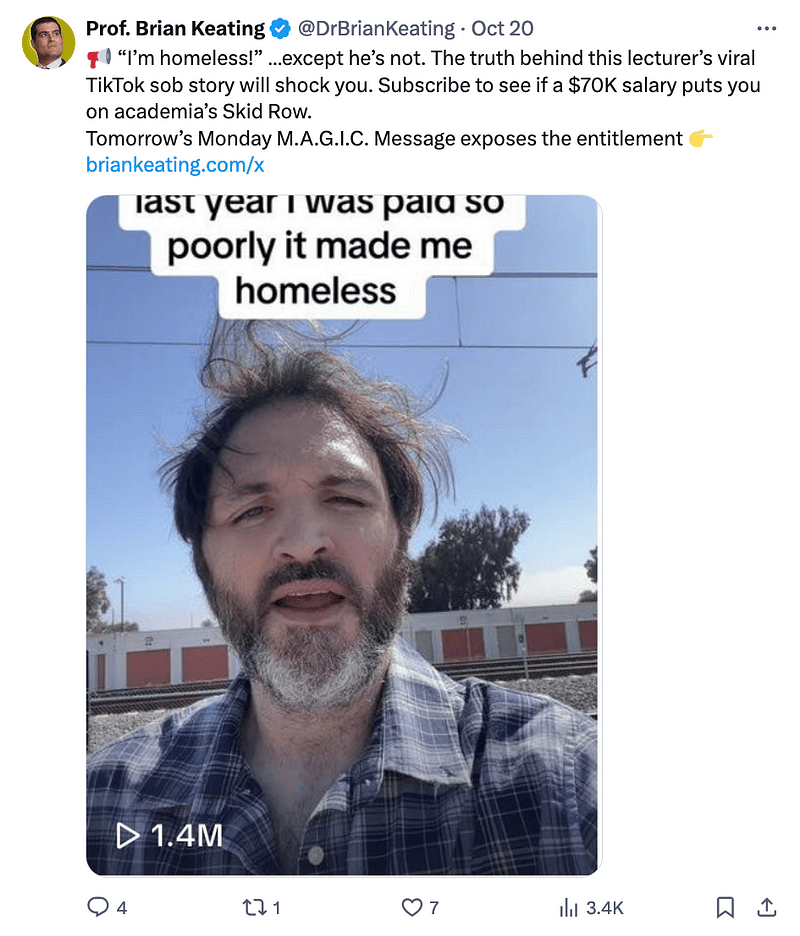
Moreover, it’s disheartening to see many folks and a somewhat popular figure — the scientist and podcaster, Professor Brian Keating, show little to no empathy for a fellow scientist, let alone a human being by essentially telling him to pull yourself up by your bootstraps, or toughen up, stop complaining, and take responsibility for yourself.
I’m not against people taking personal responsibility. But this goes beyond individual responsibility, and at the heart lies the social ills and negligence of our society. This tiring narrative assumes that struggling individuals aren’t trying hard enough to be responsible citizens while ignoring the fact that society often deprives them of the very tools to succeed and strips their boots altogether. It’s a fallacy that dismisses real systemic barriers, power imbalances, and government incompetence, and reinforces a lack of accountability for the structural issues preventing people from achieving financial stability and fairness.

I believe part of the issue also stems from the ‘unionization’ of industries, where their demands are becoming increasingly difficult to meet. Though some may argue that unions have been in decline for decades, their historical influence and policies are still felt and championed by the few who remain and the many of the sympathetic populace. Even as their presence has diminished, the impact of union-driven wage demands, labor protections, and advocacy continues to shape industries and institutions alike.
Union’s actions still resonate, especially in sectors like education where they are strong in numbers, and can challenge administrative policies and fight for fairer treatment of workers. This growing unionization trend represents a broader movement and endorsement for better wages, working conditions, and benefits, demonstrating that education workers are increasingly willing to organize and advocate for their rights.
One issue is that unions tend to push for higher wages to keep pace with the rising cost of living, but this creates a never-ending cycle. As wages rise, so do costs, which can ultimately lead to economic strain and hardship for everyone. The first minimum wage law in the United States was established by the state of Massachusetts in 1912, though it applied only to women and children in certain industries and did not cover all workers.
Federally, the Fair Labor Standards Act (FLSA) of 1938 introduced the first national minimum wage at 25 cents per hour. Signed into law by President Franklin D. Roosevelt, the FLSA aimed to protect workers from exploitation by setting standards for minimum wage, overtime pay, and child labor.
Instead of being repealed, the minimum wage has been adjusted periodically by Congress to reflect inflation and changes in the cost of living.
This begs the question: Is there a correlation between Massachusetts being the first state to implement a minimum wage in 1912 and its current high cost of living in 2024?
It’s simply a question that may not fully address the high cost of living and housing affordability in Massachusetts. Understanding the complexities of these issues requires a more comprehensive analysis of various factors at play.
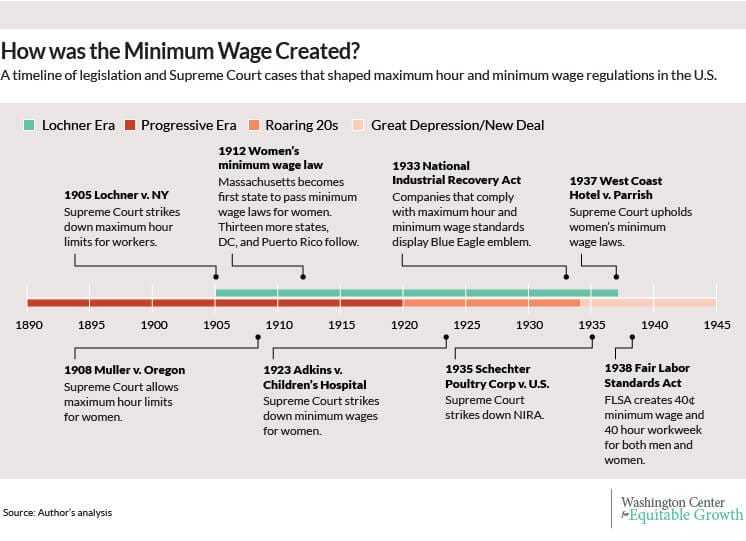
Is there a correlation between Massachusetts being the first state to implement a minimum wage in 1912 and its current high cost of living in 2024?
The Complete Updated Guide to the Housing Crisis in Massachusetts
The Complete Updated Guide to the Housing Crisis in Massachusetts
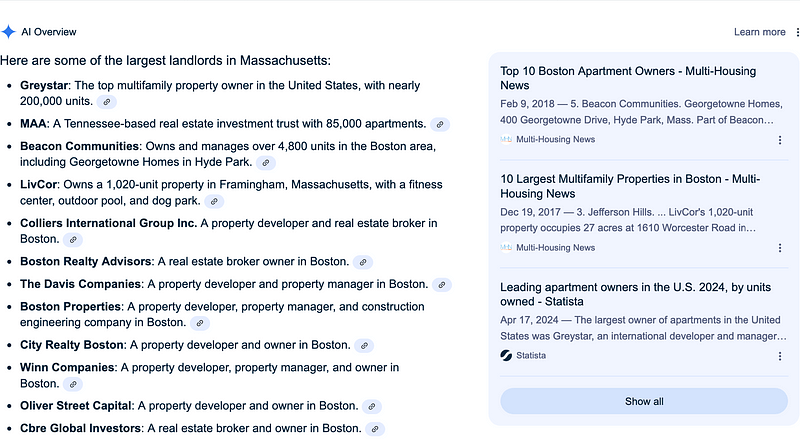
https://www.multihousingnews.com/top-10-boston-apartment-owners/
The concept of controlled wages, such as the minimum wage law, parallels the period when the U.S. had government-regulated oil prices, resulting in various unintended consequences. Gasoline had to be rationed, and many stations limited purchases or closed. The oil crisis impacted various aspects of daily life, from home heating to business expenses, which were ultimately passed on to consumers across multiple industries.
Similarly, having a minimum wage law — a “fixed” wage rate, or controlling wages for workers, as California has recently done for its fast-food workers, they are distorting true prices, and harming the value of workers.
A recent study has found that California’s minimum wage increase for fast food workers has had a positive impact during its first six months. The study found no evidence of job losses within the fast food sector, countering fears that such a wage hike would lead to employment cuts. Instead, employment levels remained stable across the industry. Additionally, while menu prices did experience a modest increase of about 3.7% (approximately 15 cents on a typical $4 hamburger), this was deemed manageable for consumers.
I remain skeptical, believing it’s premature to draw definitive policy conclusions. This is reminiscent of the Federal Reserve’s assertion in 2021 that inflation was “transitory,” to use vague language, which took several months to fully manifest, and several interest rate hikes in 2022 to control. Consequently, further studies are necessary beyond the initial six months of the $20 minimum wage policy to gain a clearer understanding of its long-term effects.
Notwithstanding, these forms of unnatural control, whether it is artificially controlling the price of a commodity like oil, controlling wages (the market rate or value of laborers), or controlling interest rates, involve government intervention that distorts market rates. This suggests that a mandated minimum wage actually limits true fairness for workers by imposing a rigid pay structure and, at the same time, inadvertently worsens the standard of living over time.
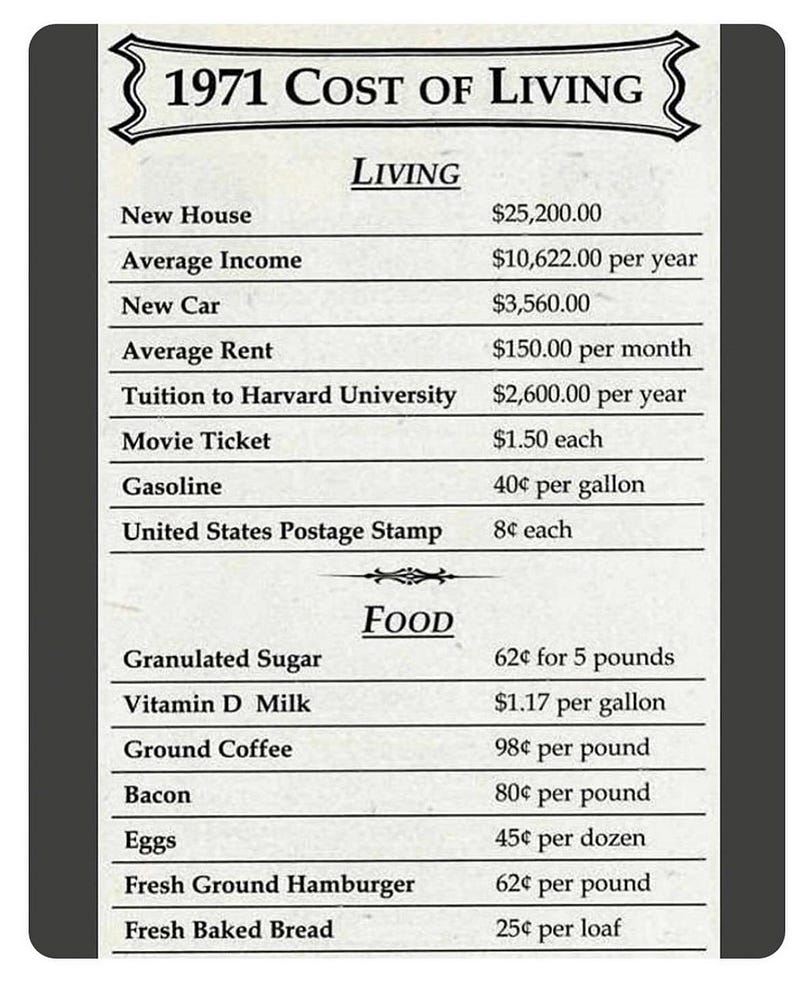
Ironically, while wages are intended to provide fair compensation, this goal often isn’t met in practice. In a setting like a fast-food chain, if one worker is putting in extra effort and generating more revenue for the company than another less productive worker, it seems fair that the harder-working individual should receive higher pay. Wouldn’t that be a more just approach to compensation? However, the minimum wage ensures all fast-food workers are paid equally no matter who puts in more work to generate revenue than their peers.
Of course, I would rather folks able to afford to feed themselves and have a roof over their heads, but an imposed minimum wage is the antithesis of a fair market. But if the minimum wage law is needed to counteract corporate or institutional exploitation, then I’m fine with it.
My message to unions, union members, and those who support higher wages, instead of just demanding wage increases, we need a more direct approach to address the root causes of inflation and rising costs.
// You can read my article on the negative consequences of the minimum wage law imposed on delivery workers.
Next, as a nation, we should consider reducing salaries across the board! Okay, maybe that is too radical of an idea. Nobody is going to pay themselves less. How dare you suggest that. But is it too radical? At least considering how much administrators and athletic coaches are getting paid, or paying themselves in salary. Couldn’t we at least consider reducing the salary of those who make x10 more than the lowest employee? Is that too much to ask for? I guess so according to critics.
The homeless UCLA professor, earning $70,000 annually, was unable to renegotiate his salary. He advocated for a minimum of $100,000 to cover his living expenses, along with arguing that it would also promote a fairer pay structure within the institution. In his view, this amount would establish a balanced earning ratio, where his higher-ranking colleagues would make roughly three times his salary, a disparity he found reasonable.
Before we get to fixing people’s paychecks and removing the minimum wage law, we have to tackle the biggest elephant in the room. One main critical issue is the economics of rent and housing prices. Goddamn HOUSING CRISIS!
The U.S., like many other places, is facing a housing crisis that’s putting immense strain on people needing affordable homes and paying off their rent or mortgage regularly. This economic trend and reality was going to occur even if the COVID-19 pandemic hadn’t occurred. The affordability of living in a single-family house is increasingly out of reach for every passing generation. This isn’t just about building more houses; it’s about addressing the policies and systemic factors that drive up home prices and rent.
Without tackling the root causes of these price surges, the problem will persist, leading to even more stress and economic instability for those already struggling to find secure housing and pay their financial obligations.
Considering the rising costs in areas like healthcare, housing, car insurance, and everyday goods, this raises an important question: Is the purchasing power of the U.S. dollar declining? And if so, how can it be strengthened?
Inflation and the strength of the US dollar are interlinked, meaning we are speaking of the exact same thing. During the pandemic, the U.S. got only a glimpse of what high inflation feels like, driven by supply chain disruptions and a surge of stimulus funding, with the negative effects becoming apparent only later. Now consider how inflation has been gradually eroding the dollar’s value year after year, with its impact most acutely felt by society’s poorest.
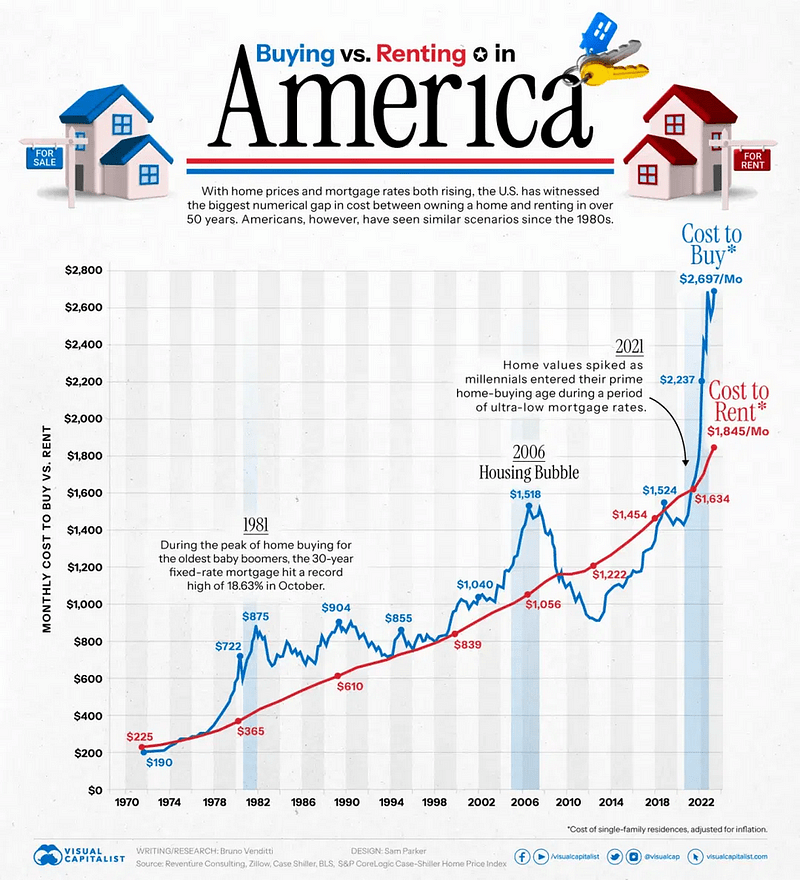
The U.S. housing crisis can be compared to Australia’s horrible housing crisis which I became aware of when I saw the 2012 documentary, Real Estate 4 Ransom. Australia’s housing crisis is driven by high demand from population growth and immigration, limited housing supply due to high construction costs, and policies that favor property investors over first-time buyers. Compounded by high interest rates and a lack of investment in social housing, these factors have created a market that is increasingly unaffordable for many Australians.
Now, let’s contrast the housing challenges in the U.S. and Australia with Japan’s opposite phenomenon. Japan’s housing crisis is driven by an oversupply of homes (high supply / low demand), especially in rural areas, due to a declining population and aging demographics, which has resulted in a 13.6% vacancy rate nationwide. Meanwhile, urban property prices remain high, creating a divide between the surplus of vacant homes in rural areas and the demand for expensive new housing in major cities like Tokyo and Osaka.
Real Estate Investment Trusts (REITs) play another significant role in both the positive and negative dynamics of the U.S. housing crisis. I cannot overlook the financialization of housing and the increasing involvement of capital markets in this sector. The growing intersection of finance and housing has transformed how properties are bought, sold, and valued, impacting affordability and access for many households. Their influence on property values and rental markets can contribute to affordability challenges, while also providing the necessary capital for housing development.
REITs were established in the United States in 1960 through legislation signed by President Dwight D. Eisenhower. The main goal behind creating REITs was to allow small investors access to income-producing real estate assets, which had previously been available primarily to institutions or wealthy individuals. By pooling funds from multiple investors, REITs enable participation in large-scale, income-generating real estate portfolios, like commercial buildings, hotels, and shopping malls, without requiring direct property ownership. This structure was modeled after the mutual fund framework, aiming to democratize real estate investment and encourage broader participation in the real estate market.
REITs benefit from a special tax status that allows them to avoid corporate income tax, provided they distribute at least 90% of their taxable income as dividends to shareholders. Over the decades, REITs have become an essential part of the global financial landscape, providing investors with diversification, income, and liquidity that would be difficult to achieve through direct real estate ownership.
The Complete Updated Guide to the Housing Crisis in Massachusetts
REITs impact the housing market by driving competition for real estate, which can lead to higher property values and rental prices, particularly in high-demand areas. While they contribute to the development of new residential properties, their profit-driven nature often means that the resulting housing is targeted at higher-income tenants, potentially exacerbating affordability issues for lower-income households.
The Complete Updated Guide to the Housing Crisis in Massachusetts
The Complete Updated Guide to the Housing Crisis in Massachusetts

When even one person is forced into homelessness, the nation bears the social and financial burden as they risk spiraling into drug addiction, mental illness, and further hardships. It costs more to assist the homeless when they end up at hospitals, or if they end up in prison, and other scenarios than if the nation subsidizes housing.
Let this be driven not just by financial incentives but by a moral imperative: to act when someone is struggling financially, at risk of homelessness, or homeless through little to no fault of their own — often due to uncontrollable social conditions, like the state of the economy, rather than the stereotypical assumption that personal struggles, irresponsibility, or childhood trauma are to blame.
The best scenario is to provide the homeless with a home to prevent horrible outcomes and work with them while they are housed to ensure progress. Therefore, investing in new and old public housing (with better rules, maintenance, and assistance), investing in affordable homes (with no financial barriers and discrimination), and subsidizing homes are some solutions to tackle homelessness.
One point worth raising is that universities have contributed to this issue by maintaining the tenure-track system. Warning: while I’m simplifying for the sake of argument — and acknowledging that universities have various faculty ranks — they have essentially created a two-tiered system. The division between tenured and non-tenured faculty can inadvertently create tension, much like the social stratification seen in history with India’s caste system, to use an extreme example.
While tenure offers job security and benefits for some, it leaves non-tenured faculty, like adjuncts, in precarious positions with lower pay and fewer protections. This categorization often fosters inequality within the academic workforce, exacerbating the divide between full-time faculty and contingent labor.
This is not to suggest that part-time work, especially as an adjunct, doesn’t have its value — it certainly does, offering flexibility and more options for both institutions and workers. However, the real issue lies in the disparity of treatment and privileges between tenured faculty and adjuncts. One group enjoys stability and benefits, while the other often struggles with low pay and job insecurity, creating an unjust hierarchy within the academic system.
In a way, universities encourage opportunity hoarding, to use a sociological concept that describes how certain groups restrict access to valuable resources, opportunities, or privileges to benefit themselves, often to the exclusion of others. The tenure-track positions in academia are limited to a select few that are not solely based on merit alone.
The current university model prefers that most of their educators are non-tenured. This could be compared to the way that large companies often prefer hiring part-time or seasonal workers to avoid the costs associated with full-time employees, such as benefits and healthcare. Companies get all the benefits of labor, without the added cost of providing the necessary benefits that come along with full-time laborers.
While there is no federal mandate requiring employers to provide healthcare to all employees, the Affordable Care Act (ACA) mandates that companies with 50 or more full-time employees must provide healthcare to those working 30 or more hours a week or face penalties. However, small businesses and part-time workers often fall outside this requirement.
Most adjunct or part-time faculty do not receive benefits such as health insurance, retirement plans, or paid leave. They are often hired on a course-by-course basis, and their contracts are renewed each semester or academic year, depending on demand. This limits their eligibility for benefits at many institutions.
Some universities do offer benefits to full-time, non-tenure-track faculty, such as lecturers, instructors, or clinical faculty. These benefits may include health insurance, retirement plans, and limited paid time off. However, these faculty members are often on short-term or renewable contracts and may not enjoy the job security or other long-term benefits of tenured positions.
As YouTuber and theoretical physicist Angela Collier helped me realize from her adjunct video, the academic setup essentially enables one group — adjuncts, (the “hypothetical lower class” )— to be exploited and stuck in an unhealthy, abusive, one-sided relationship with their institutions.
Sound familiar? It echoes the dynamics of India’s caste system, where higher castes exploited Dalits or “untouchables,” reinforcing class disparity and mistreatment. The Indian caste system was not originally designed to be unjust. However, because individuals are born into a specific caste, there is little choice or flexibility in social mobility. Still, its impact and influence became so deeply embedded in India’s culture that, despite its abolition, they are still felt today.
The parallel to the old Indian caste system reveals how entrenched systems, whether in academia or society, can sustain imbalances that keep certain groups marginalized, undervalued, and, in many ways, trapped. Under these special conditions, these marginalized groups will inevitably be at risk of being exploited for labor.
Only great spiritual leaders and revolutionaries with deep hearts can reveal the hypocrisy of a broken system like the great Hindu monk Swami Vivekananda and Mahatma Gandhi. Gandhi strongly opposed the practice of untouchability, which he viewed as a moral blight on Hindu society. Vivekananda strongly opposed the inequality produced by the Indian caste system, and Gandhi worked tirelessly to uplift the “Harijans” (a term he coined meaning “Children of God,” now considered outdated) and integrate them into mainstream society. He believed untouchability was not sanctioned by Hinduism and sought to eradicate it through education, social reforms, and spiritual appeals. Swami Vivekananda said that in religion there is no caste; caste is simply a social institution or a social custom.
Caste is a social organization and not a religious one. It was the outcome of the natural evolution of our society. It was found necessary and convenient at one time. It has served its purpose. But for it, we would long ago have become Mahomedans [sic]. It is useless now. It may be dispensed with. Hindu religion no longer requires the prop of the caste system. A Brahmin may interdine with anybody, even a Pariah. He won’t thereby lose his spirituality. — Swami Vivekananda.
The Complete Updated Guide to the Housing Crisis in Massachusetts
However, unlike India’s caste system, which was historically rigid, the university hierarchy is evolving: the secure tenured roles and full-time positions are steadily shrinking, with an ever-growing pool of highly qualified but unprotected adjunct professors taking their place. There is an overabundance of this labor pool (high supply of PhDs) for universities to access and recycle over and over.
The administrative class has taken advantage of this easily accessible pool that could be drained and reused (filled) over and over. Yet, the downside is that universities and colleges could simultaneously face a brain drain in that they are not meeting the demands or reaching an agreement to satisfy adjunct professors whose job security is in limbo, and who may opt to choose to work in the private sector.
Academic institutions across the U.S. face a unique situation: they maintain a large supply of specialized labor tailored to their distinctive micro-environment, driven by strong demand from every passing generation of students. I recognize that I’m grouping all universities and colleges together as a single cohort and generalizing, though each has its own unique circumstances and may not encounter the same challenges as others. At the same time, some institutions may indeed face similar issues and thus worthy of discussion.
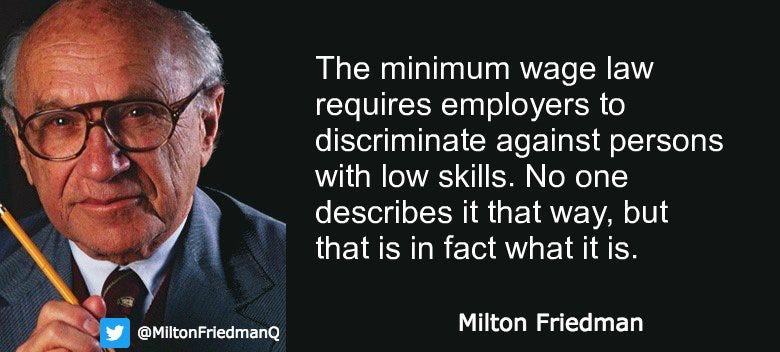
The massive and easily accessible labor pool of adjuncts is worth discussing if indeed this assumption is true. The late economist Milton Friedman famously argued that the minimum wage prevents low-skilled workers from competing effectively in the labor market by removing their ability to “sell” their labor at a lower price. His viewpoint was that in a free-market economy, wages are a primary tool for lower-skilled or less experienced workers to make themselves appealing to employers. By legally enforcing a minimum wage, he believed, the government raises the baseline cost of labor, making it more difficult for employers to hire workers whose skills don’t meet that wage level’s productivity requirement.
Friedman also argued that this can unintentionally lead to higher unemployment among low-skilled workers. When employers face minimum wage constraints, they might choose to hire more skilled workers, invest in automation, or reduce their hiring altogether, thus limiting opportunities for those who would otherwise be able to compete by offering their services at a lower wage.
With that in mind, adjunct professors position themselves as highly attractive to employers by offering their labor at lower wages, while at the same time, despite their low to moderate experience, they bring significant knowledge and specialization in subjects, such as an adjunct professor who earned a PhD in Astrophysics.
The struggles faced by lecturers aren’t unique to Los Angeles or Dr. Daniel McKeown; they affect other high-cost-of-living areas as well, as shown by the recent CUNY protests in New York City demanding better working conditions and higher wages. It would be a mistake to view Daniel McKeown as an isolated case.
Keep in mind that adjunct professors have been raising concerns for years about the deeper issues within universities and their financial struggles. His story echoes the broader, systemic problem faced by different faculty positions across academia and people in the workforce, where underpayment and job insecurity have become the norm. Ignoring these voices only perpetuates a broken system that fails policymakers, educators, and students.
Until we confront these social phenomena, stories like Dr. McKeown’s will continue to reflect the struggles many Americans face. We as a nation are at risk of pricing out and displacing working people. All the financial literacy in the world won’t equip Americans to address this economic crisis alone — it demands a political understanding of policies and laws, along with the collective will to reform them.
My advice to Dr. McKeown would be to avoid letting bitterness guide your efforts and avoid becoming vindictive, although I understand your frustrations. Don’t give up and continue spreading the message. While his anger is justified given the systemic issues he’s facing, as well as the internal pettiness of employer-employee dialectic, approaching the problem with a constructive mindset could lead to more productive solutions. It’s important to advocate for fair treatment without becoming consumed by resentment, as this can hinder progress and close off opportunities for meaningful dialogue.
Recommended sources and sources I may have used:
The Complete Updated Guide to the Housing Crisis in Massachusetts
The Complete Updated Guide to the Housing Crisis in Massachusetts
The Complete Updated Guide to the Housing Crisis in Massachusetts
The Complete Updated Guide to the Housing Crisis in Massachusetts
The Complete Updated Guide to the Housing Crisis in Massachusetts
The Complete Updated Guide to the Housing Crisis in Massachusetts
https://www.aaup.org/article/brahmins-and-dalits-academic-caste-system
I highly recommend listening to the podcast from Washington University and reading the acoup.com blog post.
// A shoutout to the acoup blogger for we both thought of the Indian caste system independently from each other and anyone else who did too and realized the reality of the academic caste system.
The Complete Updated Guide to the Housing Crisis in Massachusetts
The Complete Updated Guide to the Housing Crisis in Massachusetts
The Complete Updated Guide to the Housing Crisis in Massachusetts
The Complete Updated Guide to the Housing Crisis in Massachusetts
https://files.eric.ed.gov/fulltext/EJ1248412.pdf
https://www.cnbc.com/2024/10/21/wnba-star-angel-reese-cant-afford-her-rent-on-73k-wnba-salary.html
https://topdocumentaryfilms.com/real-estate-4-ransom/
 Social Scholarly