
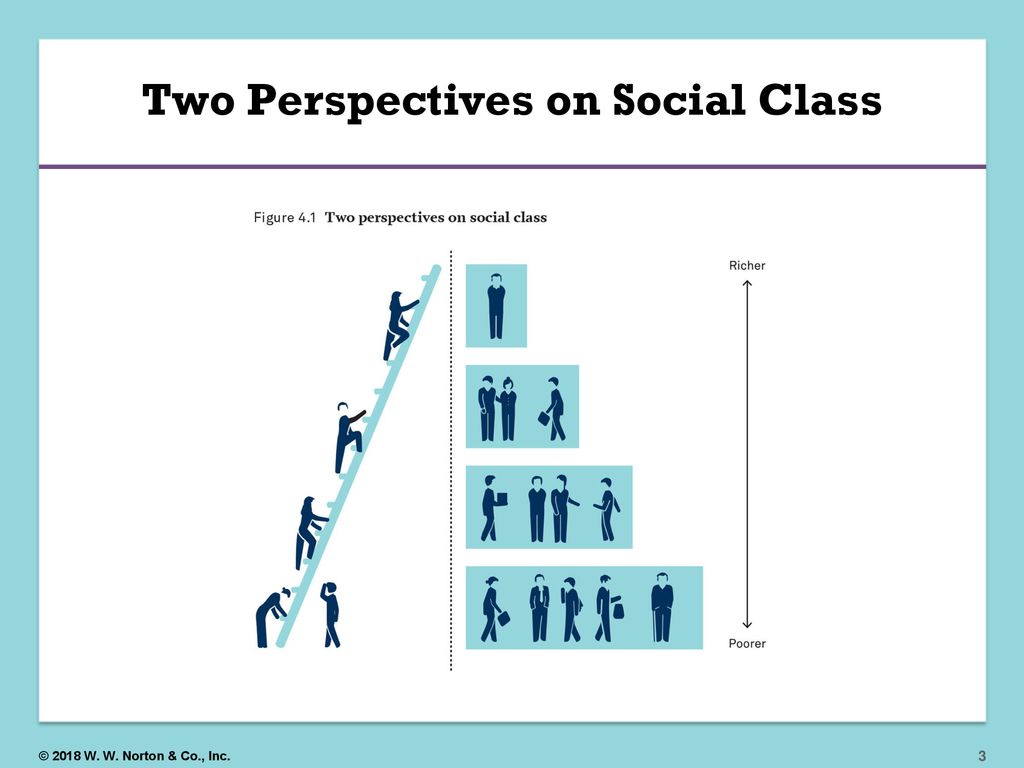
Thomas Sowell in an interview on Race & Economics once stated, “I don’t ask what is the cause of poverty. Everybody is born poor and ignorant. The question is what factors allow some groups to get out from that position .” I think what he said was wrong and a poor starting point for an analysis of an individual and a society. Indeed, poor and rich are relative and a subjective concept which is subject to volatile fluctuations through changes in one’s lifetime. There are examples of individuals going from rags to riches and then being poor again, or someone born into wealth and choosing simplicity.
No one can deny that some people are dealt a better hand when they are born into a home and as they progress through their childhood to adulthood. That is what is called privilege. Those who are dealt with privilege have a higher and better chance of growing exponentially (flourishing) and have it passed down from generation to generation, as opposed to someone or a group of people like blacks or Latinos who are disadvantaged in certain social and economic conditions, and their progression through life and that gets passed down from generations to generation become either stagnant, crashes, or is a very slow and gradual curve towards success (i.e. the position of privilege, power, and prestige). Sowell is right when he mentions the powerful barriers put in place by the government. But the same government can also take equally positive actions as it did negative ones. As a pupil of Milton Friedman, Sowell understands how to judge results rather than intention. Often, government intentions have had negative consequences.
Sowell said, “It’s not that politics can’t do anything. It’s a question that politics, like everything else, has some things it can do, and some things it can’t do. And from what I’ve seen from groups around the world economically, one of the things it does not seem to be able to do is to raise groups from poverty to affluence. People have discriminated against other people wherever they had the power to do it almost everywhere in the world in almost every period of history. Some groups are kept back by this, and some groups it seems to make no difference whatsoever. Insofar, as you have entrepreneurial skills. The fact that people didn’t hire Jews in the 19th century, didn’t stop Jews from hiring each other and dominating industries such as the garment industry or the beginning of great Hollywood movies studios and other areas of the economy. It is the skills that are crucial, and not the fact that people are willing or unwilling able to hire you.
Where Sowell gets his analysis wrong is believing that it made no difference that people have discriminated against other people. Yet, the history of people of color since the advent of capitalism tells a different story. The fact that government or politics played a crucial role in raising groups from poverty to affluence, and at the same time, implemented certain policies that have also prevented other groups from gaining affluence and keeping them impoverished. The GI bills for war veterans is a social engineering program to improve their lives. Affirmative action policies aimed at the Jews and other eastern and south European ethnic groups are another example in which these groups were granted access to greater opportunity and able to attain affluence because of government intervention and social engineering programs.
Someone posted this quote, “People who are unsuccessful tend to believe that the game is rigged against them, while those who are successful understand that the game is rigged, but choose to learn how to play anyway.” This may sound like a cliche but your mind can indeed have a huge impact on your success. I don’t question or deny how much responsibility is to be made on an individual and psychological level to change one mindset to become successful. It’s the same kind of self-help guru stuff and rhetoric that Jordan Peterson and a few others like to often point towards. But to act like the system isn’t bigger and more powerful than the individual is being intellectually dishonest. It is acting as though the system doesn’t affect the way you think, because it surely does. So what does it matter if you learn how to play the game and become successful? Let’s say I know how the game works and I’ve become a master, but then choose not to play it after all, especially after finding out the hypocrisy and realizing some cheaters make the game unenjoyable. If the system or the game was fair, more people would be successful is all I’m trying to get at.
It doesn’t matter if it is capitalism or communism or any other ideology. See, the problem with the rich or the elites is not that they have accumulated massive wealth. By all means, make as much money as you can, preferably in an honest way. The problem is that they use their power from the wealth that they have accumulated to influence political decisions that can harm or come at the cost of others or the rest of society either inadvertently or intentionally. If we as a people can separate power from wealth that would be wonderful! But since we cannot separate money and power, money in politics, then we are stuck in this disheartening conundrum.
 Social Scholarly
It is important to recognize the role that privilege and disadvantage play in individual and societal success. While it is true that skills and mindset can impact one’s ability to achieve success, it is also important to acknowledge the structural barriers and biases that can hinder or facilitate a person’s ability to access opportunities and resources. Government policies and social engineering programs can help to level the playing field and provide equal opportunities for disadvantaged groups. It is important for society to recognize and address these imbalances in order to create a more equitable and just society for all.
LikeLike